PhDr. Hana Pucherová
8 years
Overcoming social prejudice and taboos
Your mental health is shaped not only by what happens inside you, but also by the environment in which you live and work. Living abroad, discrimination, prejudice, a demanding helping profession, an experience of violence or returning to society after serving a sentence all bring a burden that people often carry alone. Professional support helps you name this burden, cope with it and find support.

We live in a complicated world where social issues often affect our lives more than we realize. Whether you face discrimination yourself or through someone close to you, feel pushed aside and unheard, or are trying to reintegrate into society after serving a sentence, you know best how long, demanding and often frustrating a process this is. Similarly, if you have become a victim of violence for whatever reason or for no apparent reason at all, or are trying to overcome a difficult past and break down other people's prejudices, you may experience feelings of futility and hopelessness, wondering whether it can be managed at all.
Professional help in these areas means providing the support and tools you need to face these situations. A therapist can help you better understand how relationships between people generally work and how this affects your life, and find strategies to overcome obstacles. Together, you can work on building resilience to prejudice, repairing broken relationships or developing new ones, and finding a path to a fulfilling life in society.
Sessions with an expert can help you not only cope with personal challenges, but also gradually contribute to positive change in your community. You will gain a new perspective on the problems of today's world, which will make it easier for you to find your own place in it, so that you can live more joyfully and in harmony with yourself. Remember that every step toward personal growth and understanding is also a step toward a better world for everyone.
You feel alone abroad.
You miss home and the people close to you, and you can't manage to find your place in a new country.
Working with people is exhausting you.
As a healthcare worker, teacher or social worker, you feel you have nothing left to give.
You experience prejudice.
You repeatedly face ridicule or exclusion because of who you are.
You don't feel safe at home.
Your partner humiliates you, controls you or hurts you.
You are returning to life.
After serving a sentence, you are looking for work, relationships and a new start, and you keep running into distrust.
You don't know who to confide in.
You feel that no one around you will understand your situation.
8 years

3 years
4 years
4 years
14 years

6 years
5 years
5 years

7 years
16 years
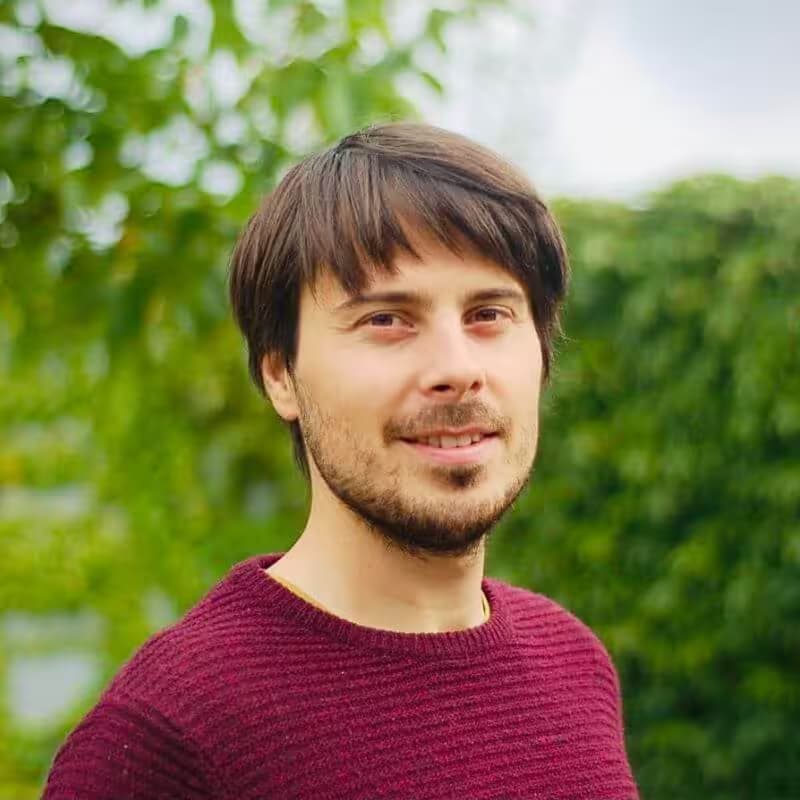
12 years
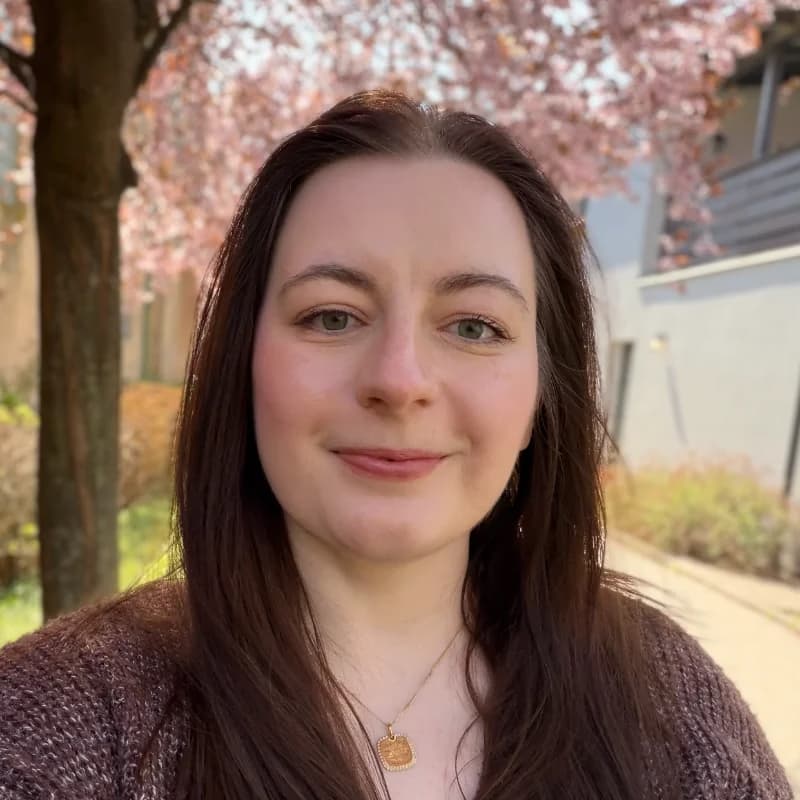
7 years

7 years

25 years
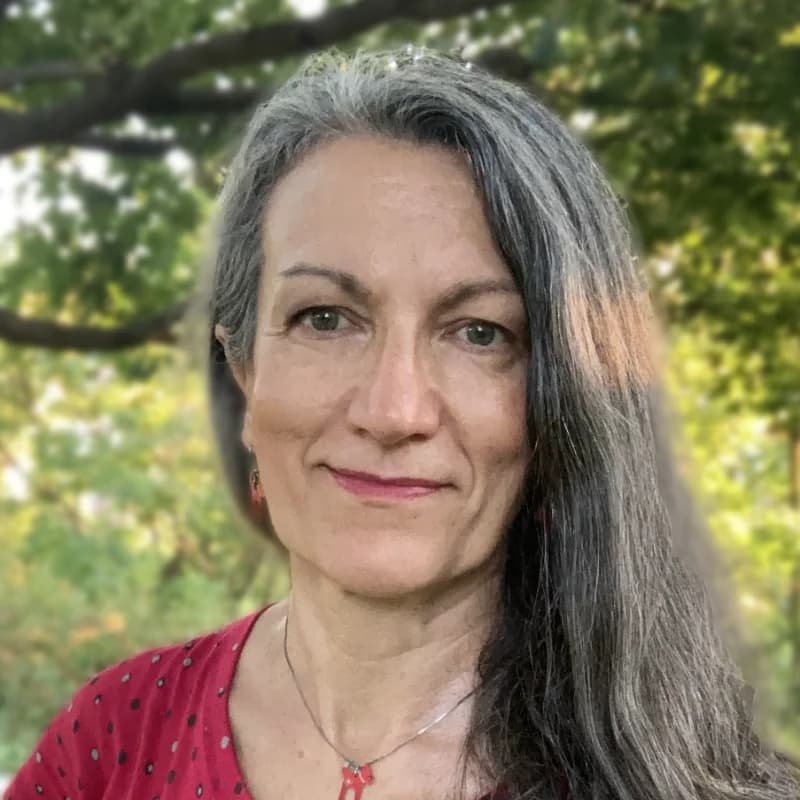
13 years
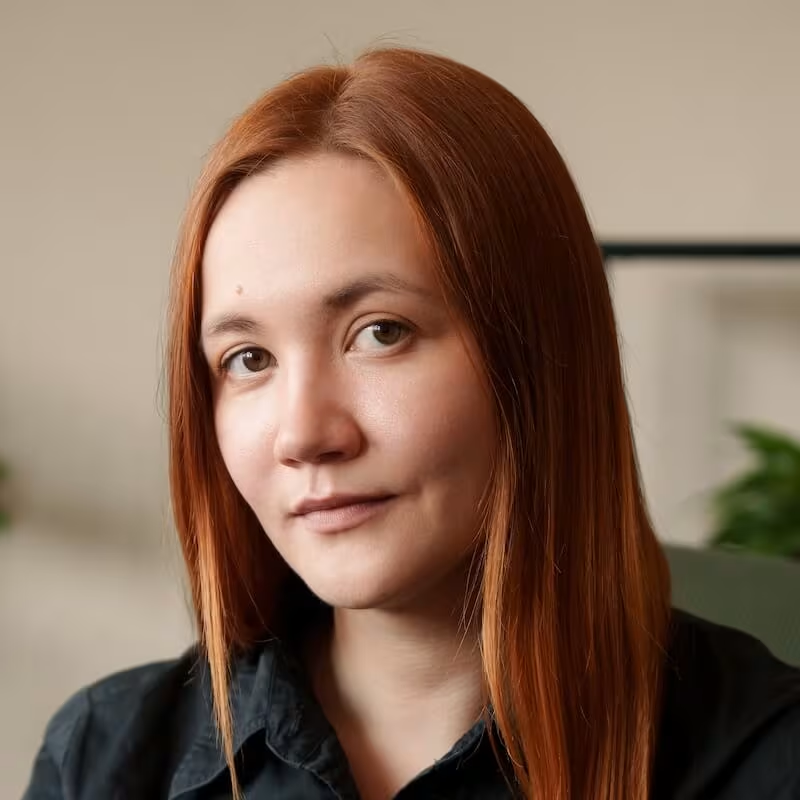
10 years

4 years
Moving abroad or to a new city brings not only a new job but also loneliness, culture shock and the loss of your support network. Conversations help you process the loss of home, build new relationships and find a balance between two worlds. For many people, it is important to talk to a professional in their mother tongue.
Healthcare workers, teachers, social workers and rescue workers face a heavy burden and a risk of burnout. Professional practice uses supervision, that is, regular reflection on your work with a professional, and for doctors, for example, Balint groups, which originated in London in the 1950s.
Repeated prejudice and exclusion because of your background, identity, faith or disability leave marks on your self-worth. A professional who is sensitive to these topics helps you process your experiences, strengthen your resilience and find ways to speak up and protect yourself.
With gender-based or domestic violence, the first priority is safety. Psychological support builds on the help of specialised organisations and intervention centres, which also provide legal and social counselling. If you are in immediate danger, call 112.
Which approach is suitable depends on the person and the situation. It is best to talk it over with a professional.
Yes. Sessions on Terapio take place online, so you can join from anywhere. For many people, talking about emotions in their mother tongue is easier and more natural. When choosing a professional, check their time zone and available times too.
Culture shock is a common reaction to a new environment: after the initial excitement, a period of frustration, sadness or loneliness often follows. It helps to stay in touch with people close to you, look for a community of people in a similar situation, get to know the local culture and give yourself time. If sadness and isolation last a long time, talk to a professional.
If you are in immediate danger, call 112. Non-stop crisis helplines and specialised services for people experiencing violence also help, providing psychological, legal and social support. Psychological support on Terapio can complement specialised help, not replace it.
Supervision is a regular session with a professional in which someone working in a helping profession reflects on their work: difficult situations, relationships with clients or their own emotions. It helps prevent burnout and improve the quality of their work. It can be individual or in a group.
Each professional sets their own price. On Terapio, prices start from CZK 1,000 per session. Sessions take place online, and some professionals also offer in-person sessions. You can see the price, format and available times on each profile.